The good news is that with a little attention and consistent care, your tyres can last much longer and keep you safer on the road.
Table of content
Tyre wear pattern
Tyre wear is normal. What matters is how your tyres wear over time. In an ideal world, they would wear down slowly and evenly. But road conditions, weather, the type of vehicle, and even your driving habits all change the way each tyre wears.
Different wear patterns can tell you what is happening with your tyres and whether something needs attention. The goal is to catch issues early so your tyres can last their full lifespan.
Common wear patterns to look out for:
Centre wear: If the centre of the tread wears out faster than the edges, your tyres are likely overinflated. Too much pressure forces the middle of the tyre to carry more load than it should.
Edge wear: If the edges wear faster than the centre, your tyres are probably underinflated. Driving on underinflated tyres can cut their lifespan by 30 to 40 percent and reduce your fuel efficiency.
Cupping or scalloping: Uneven dips or patches on the tread usually point to suspension problems. This pattern is common on vehicles that often drive on rough or uneven roads.
Understanding these patterns gives you clues about what to fix and helps prevent early tyre failure.
Tyre inflation and pressure checks
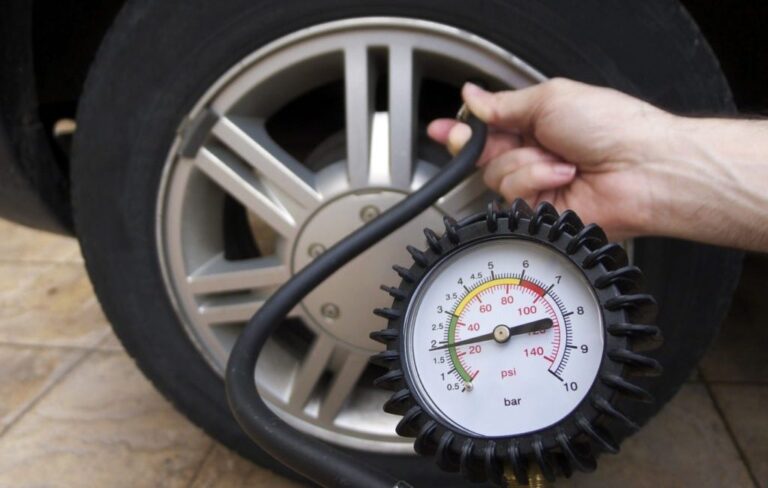
Every vehicle manufacturer lists a recommended tyre pressure, and following it is one of the simplest and cheapest ways to extend your tyre life. Correct tyre pressure helps your car handle better, improves fuel efficiency, and keeps your tyres wearing evenly.
It’s worth remembering that these recommendations assume ideal conditions: moderate temperatures and smooth roads. South Africa’s heat and rough road surfaces often create harsher real-world conditions.
To compensate, many experts suggest keeping your tyre pressure slightly above the recommended level, usually by about 2 to 5 percent.
Tyres naturally lose pressure over time. On average, you can expect to lose about one PSI each month through normal air seepage. This slow loss means a quick pressure check every two weeks can add up to a longer tyre lifespan and noticeable fuel savings over time.
Regular checks also help you catch slow leaks early, which can otherwise shorten tyre life or put you at risk while driving.
Temperature has a direct effect on tyre pressure. As the air inside the tyre warms up, it expands and increases the pressure. When the temperature drops, the pressure falls as well.
Because driving warms your tyres, the most accurate time to check pressure is early in the morning before the car has been driven. This prevents heat expansion from giving you a false reading and helps ensure you’re measuring the true resting pressure.
Understanding this temperature-pressure relationship makes it easier to keep your tyres in the right range throughout the year.
Even out tyre thread wear with tyre rotation
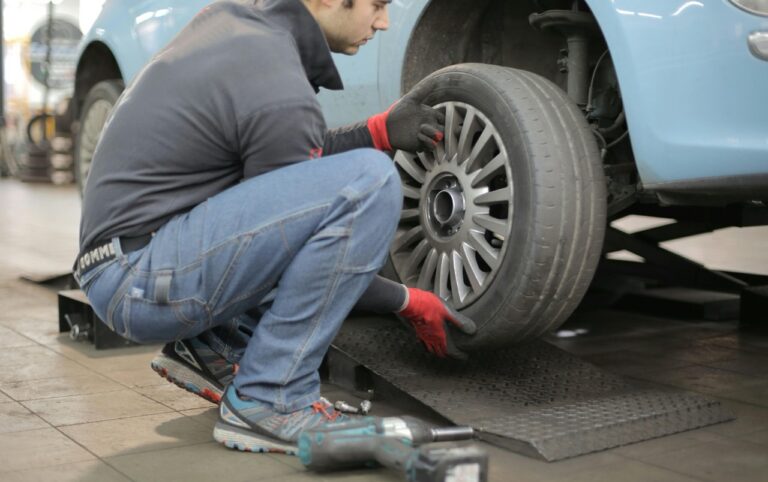
Tyre rotation is one of the easiest and most cost-effective ways to extend the life of your tyres. It simply means removing each tyre and refitting it in a different position on the car.
Rotating them helps all four tyres share the workload, which leads to more even wear and a longer lifespan for the entire set.
Not all tyres wear at the same rate. In most vehicles, especially front wheel drives (FWD) the front tyres handle steering, carry engine weight, and do most of the braking. This extra work makes them wear out faster than the rear tyres.
By rotating them at regular intervals, you balance the wear and keep your tyres performing safely for longer.
When to rotate tyre & rotation pattern
Most experts recommend rotating your tyres every 8,000 to 10,000 kilometres. But if your vehicle often carries heavy loads or tows, it’s a good idea to rotate them a bit more frequently.
Regular rotation keeps tread wear even and prevents premature failure. The best rotation pattern depends on your drivetrain and tyre type:
Front-wheel drive (FWD): Move the front tyres straight to the back. Cross the rear tyres to the opposite front positions.
Rear-wheel drive (RWD): Move the rear tyres straight to the front. Cross the front tyres to the opposite rear positions.
All-wheel drive (AWD): Use a diagonal pattern, moving each tyre to the opposite corner of the vehicle.
Directional tyres: Move each tyre front to back on the same side only. These tyres are designed to rotate in a single direction, which is marked on the sidewall.
Staggered tyre setups: If your front and rear tyres are different sizes, rotation is limited. In most cases, you can only rotate side to side.
Choosing the right pattern for your vehicle helps keep grip consistent and ensures the tread wears evenly across all four tyres.
Eliminate irregular wear with wheel alignment and balancing
Wheel alignment
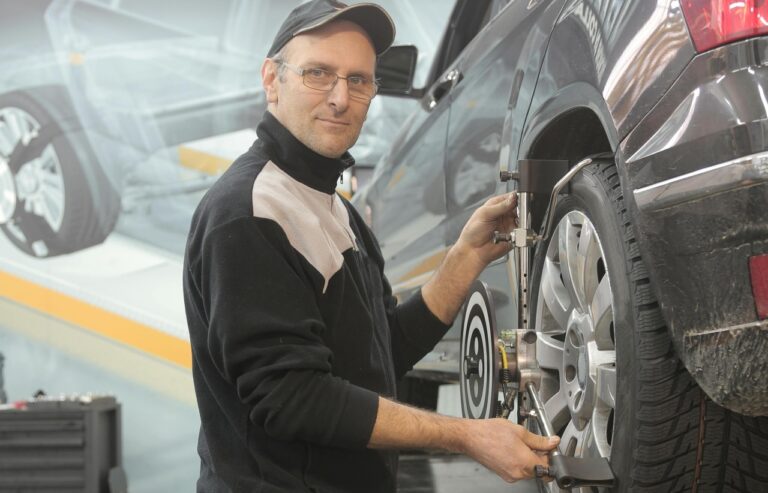
Hitting potholes, rough gravel, or uneven roads can push your wheels out of alignment. When this happens, the tyres no longer run perfectly parallel, and the car may start to pull to one side.
Misaligned tyres wear unevenly because parts of the tread are dragged across the road instead of rolling smoothly.
Proper alignment makes sure all four wheels point in the right direction and that the full tread surface contacts the road evenly. This reduces irregular wear and keeps the car handling safely.
Wheel balancing
A balanced tyre has its weight distributed evenly around the wheel. If the weight is uneven, the tyre can wobble or vibrate at high speeds. This vibration wears the tyre faster and puts unnecessary strain on suspension components.
There are two types of balancing:
Static balancing: which corrects up-and-down movement.
Dynamic balancing: which corrects side-to-side wobble while the tyre rotates.
Unbalanced tyres don’t just shorten tyre life. They also make long trips uncomfortable and can contribute to driver fatigue, especially at highway speeds making driving very unsafe.
Driving habits that reduce your tyre lifespan
How you drive has a big impact on how long your tyres last. Even with perfect maintenance, certain habits can wear them down much faster.
Aggressive cornering
Taking corners too fast puts extra stress on the tyre sidewalls. This creates excess friction and heat, which can wear down the edges of the tyre much sooner than expected.
Hard braking
Harsh braking generates intense heat and friction. Each time you slam the brakes, a thin layer of softened rubber is scraped off and left on the road. Over time, this dramatically shortens tyre life.
How to reduce wear while driving
Smooth, steady driving goes a long way. Accelerate gradually, brake early when you can, and take corners at a reasonable pace. These habits reduce strain on the tyres and keep them performing better for longer.
Vehicle overloading
Overloading your vehicle is one of the quickest ways to damage your tyres. Extra weight increases heat and pressure inside the tyre, which can lead to structural damage or sudden failure.
Even occasional overloads can cause problems. Holiday trips, moving heavy items, or carrying more passengers than usual all put added stress on the tyres.
To avoid this, always check the vehicle’s placard, usually found on the driver’s door frame. It lists the correct load rating for your car.
Don’t rely on the information printed on the tyre itself, because that number represents the tyre’s maximum capacity, not what’s safe for your specific vehicle.
Other factors that can affect tyre wear and safety
Several environmental factors also affect tyre health, especially in South Africa’s climate.
Heat and oxidation
Summer temperatures can climb well above 35°C in SA. Prolonged heat exposure accelerates oxidation, which hardens the rubber. Hard tyres lose flexibility and are more prone to cracking or damage.
Whenever possible, park in the shade or indoors. Using tyre protectants and keeping your tyres slightly above the recommended pressure can also help reduce heat-related wear.
Rainy seasons
Wet weather makes tyre condition even more important. Aim for a minimum tread depth of 3 mm for safer grip on wet roads, even though the legal limit is lower at 1mm.
Humidity and temperature swings during rainy months can change tyre pressure more often, so check your pressure more frequently during this season.
Regular tread depth checks
Along with rotation, alignment, and balancing, a monthly tread depth check helps ensure your tyres can handle wet and dry conditions safely.
Adequate tread depth improves grip, shortens braking distance, and helps prevent hydroplaning on wet roads.
For everyday driving, aim to keep your tread above 3 mm. If it drops close to the legal limit, it’s time to replace the tyre for your safety and the safety of others on the road.
Incorporate these simple habits to make your tyres last long
Your tyres work hard every time you drive. A little attention goes a long way. By keeping them properly inflated, rotating them regularly, checking for unusual wear, and avoiding habits that cause unnecessary strain, you can easily double their lifespan.
Better tyre care also means better fuel efficiency, safer handling, and fewer unexpected breakdowns. Treat tyre maintenance as part of your routine, not an afterthought, and your vehicle will reward you with smoother, safer trips for years to come.
Charles leads Tarlen, a carsharing marketplace built to take the hassle out of renting cars. By connecting travelers with car owners and small rental agencies, Tarlen makes travel fun again.