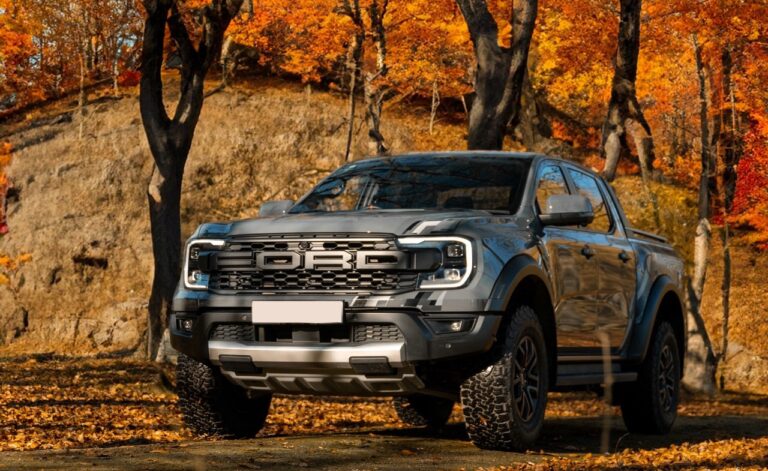
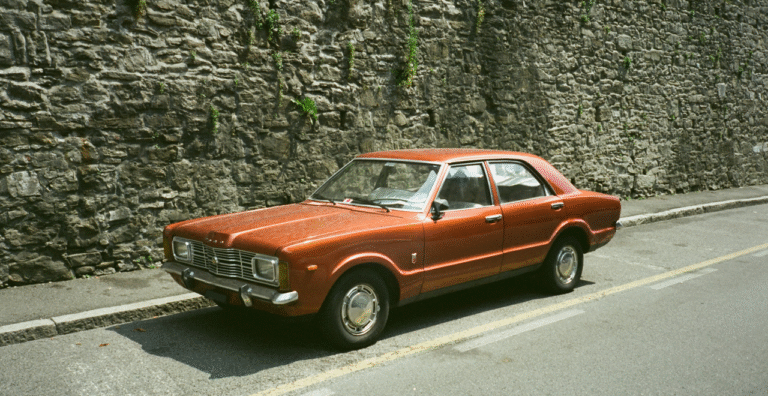
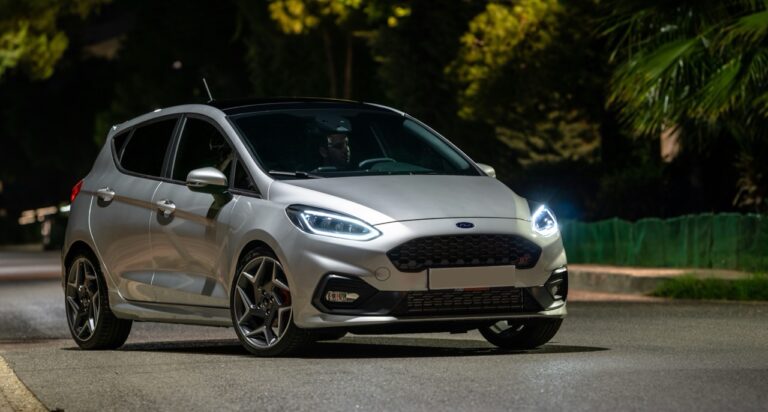
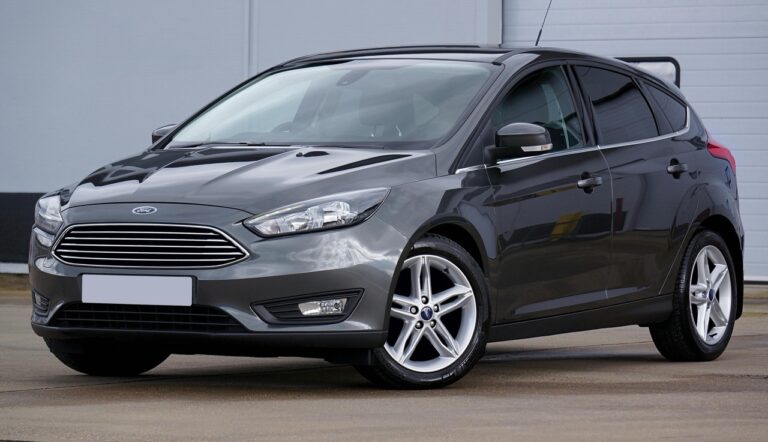
Ford’s history is tied to the story of the modern automobile. The company didn’t just build cars. It proved that cars could be mass-produced at scale when it introduced the Model T and pioneered the moving assembly line.
This shift changed everything. Production sped up. Efficiency improved. Costs dropped. And suddenly, cars were no longer luxury items. They were something the middle class could actually afford and rely on.
Table of content
Henry Ford’s origin story
Henry Ford’s story begins on July 30, 1863, in Springwells Township, Michigan. His interest in machines showed up early. By age 15, he was already dismantling and repairing neighbors’ timepieces.
That habit of precise, hands-on engineering shaped the way he approached automobiles later in life. His first business attempt failed in 1901 after producing only 20 vehicles.
He tried again in 1903, raising $28,000 from 12 investors to start the Ford Motor Company. It was this second attempt that changed industrial history.
In 1908, Ford changed the entire auto industry with the Model T. At the time, cars were rare, expensive, and unreliable.
The Model T production wasn’t perfect at the start. It was initially assembled by hand, but it was cheaper, more reliable, and easier to maintain than anything else on the market. Within days of launching, Ford had 15,000 orders.
The company couldn’t keep up with the demand, so Henry Ford began rethinking the whole production process.
Piece by piece, the manual system was replaced. By 1913, every Model T came off a moving assembly line, which cut the build time from 12½ hours to just 93 minutes.
The impact was massive. The Model T cost $825 at launch. By 1913, it was $525. By 1925, it dropped again to $260. At its peak, the Model T became the most popular car on the planet, with more than 15 million sold before production ended.
Ford’s $5 workday initiative
In 1914, Henry Ford introduced the “$5 workday,” an idea that shocked the world. It more than doubled the typical factory wage at the time. It also changed the lives of Ford’s workers almost overnight.
The move wasn’t just generous. It was smart. The higher wage boosted morale, reduced turnover, and helped create a new customer base. Workers could now afford the very cars they helped build.
Ford proved that paying people well wasn’t a cost, it was a strategy.
Expansion to South Africa
South Africa was part of Ford’s global story almost from the beginning. Just 2 years after the company was founded, Ford had already appointed a sales and distribution agent in the country.
By the early 1900s, Ford vehicles were being imported into South Africa as luxury items. The Model T quickly took off.
It became one of South Africa’s most popular cars, and demand grew fast enough that Ford decided to assemble vehicles locally.
In 1923, Ford Motor Company of South Africa was officially established in Port Elizabeth (now Gqeberha), taking advantage of strong sea, rail, and road connections.
That first year, the factory employed more than 90 people and produced over 1,400 Model T units. Ford became the first global manufacturer to set up operations in South Africa, planting a foundation that would last for generations.
Ford doubles down on South Africa
In 1962, Ford deepened its commitment to South Africa by investing R4 million to expand its Struandale plant in Port Elizabeth.
The next year, the company put in another R8 million to build an engine plant, making Ford one of the first global manufacturers producing engines locally.
By 1976, Ford South Africa rolled out its one-millionth vehicle, an important milestone that confirmed just how big the brand had become in the region.
Ford kept growing after that, improving its technology, expanding its workforce, and focusing on better working conditions.
Today, Ford employs more than 5,500 people in South Africa. The company continues to invest in the market, and those long-term bets have proven both smart and profitable.
Iconic Ford cars that shaped the company
Over the decades, Ford has introduced a long list of vehicles that shaped both the company and the global auto industry. Some became cultural icons. Some became workhorses. And a few did both.
Model T
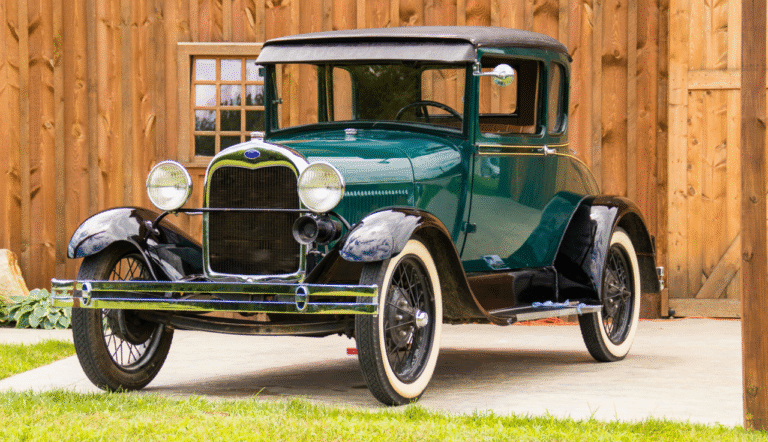
The Model T set the foundation for everything Ford stands for today. It was rugged, affordable, and easy to repair thanks to interchangeable parts, something no car at the time offered.
Ford’s decision to mass-produce the Model T made it accessible to middle and lower-income families, which changed transportation forever. The Model T wasn’t just a car.
It was a turning point that took vehicles from a luxury item to an everyday necessity.
Mustang, the pony car
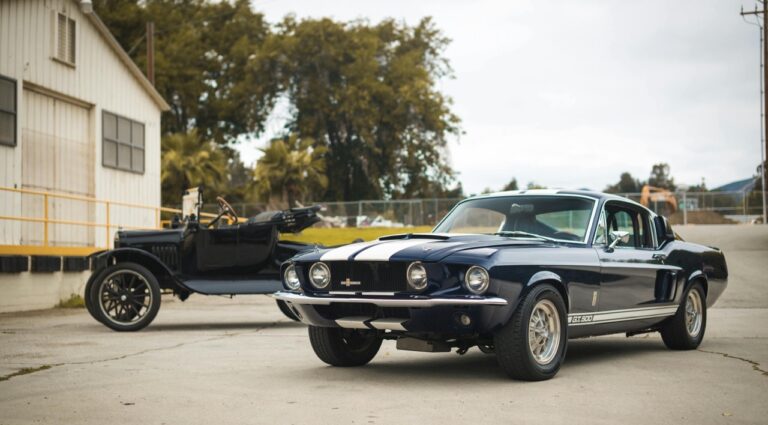
When Ford launched the Mustang in 1964, it created an entirely new category: the “pony car” segment.
It was sporty, stylish, and came with a V8 option, yet it was still within reach for a more price-conscious buyer.
The Ford Mustang didn’t just sell well. It became part of pop culture, showing up in movies, music, and motorsport.
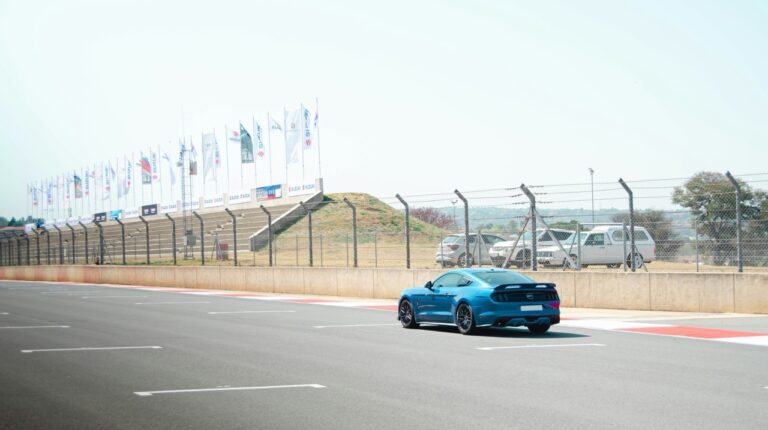
For years, South African fans admired the Mustang from a distance. That changed in 2015, when Ford finally introduced a right-hand-drive version.
The modern Mustang GT’s 5.0L Coyote V8 brought genuine American muscle to local roads built with South African drivers in mind.
F-Series / F-150
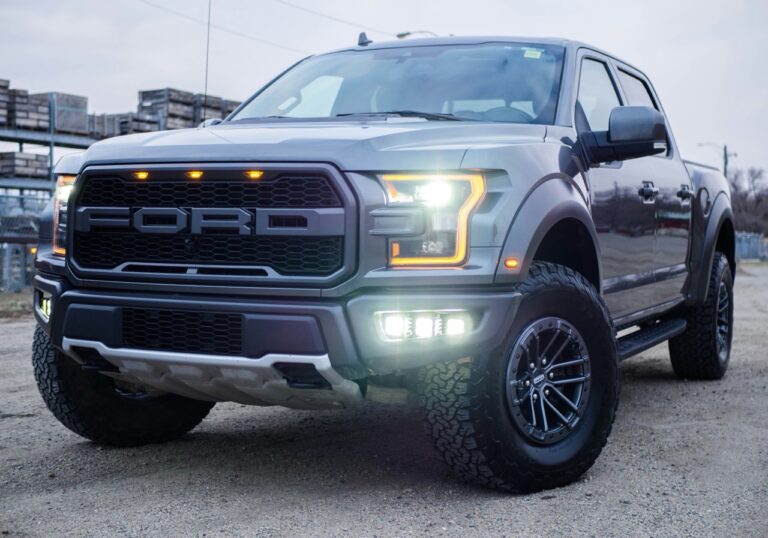
Since 1948, the F-Series has been the workhorse of the Ford lineup. It became the backbone of the company’s commercial success and grew into the best-selling light-duty pickup truck in the world.
Today, it’s also the second best-selling vehicle of all time, behind only the Toyota Corolla.
The F-Series set the standard for toughness, capability, and durability for decades. And even as the industry shifts, Ford continues to reinvent it.
The fully electric F-150 Lightning, launched in 2021, proves that the brand’s most famous bakkie can evolve without losing its identity.
Ford Ranger: SA's Beloved Bakkie
The Ranger first appeared in North America in 1983, but it has taken many different shapes around the world since then. In some markets, it’s a compact pickup. In others, it’s mid-size with more power and capability.
For South Africans, the Ranger is something special. Local testing made it more durable, improved it’s off-road strength, and cooling systems to suit the country’s climate and the way South Africans actually use their vehicles.
That attention to real-world conditions helped the Ranger become one of the nation’s top-selling models.
Today’s Ranger features modern bi-turbo diesel engines, advanced infotainment, and the kind of rugged ability that keeps it popular year after year.
Ford Cortina
During the 1970s and 80s, the Ford Cortina became a symbol of middle-class mobility in South Africa. It was assembled locally at the Struandale plant in Port Elizabeth and earned a reputation for being affordable, durable, and easy to maintain.
The Cortina wasn’t flashy. It was dependable, practical, and perfectly suited to South African families, qualities that made it the country’s best-selling car for much of the apartheid era.
Ford Fiesta
The Ford Fiesta, launched globally in the 1970s, became one of the brand’s most successful small cars.
In the 1990s, Ford began building the Fiesta at the Silverton plant near Pretoria, bringing production closer to the South African market.
Drivers loved its lively handling, excellent fuel efficiency, and youthful feel. The Fiesta even won the South African Car of the Year award in 1998, which helped make it a top pick for students, first-time buyers, and anyone who wanted an affordable, fun-to-drive hatchback.
Although it’s no longer in production, the Fiesta still is a familiar and well-loved car on South African roads.
Ford Focus
When the Ford Focus arrived, it shook up the compact-car segment. It brought a European-inspired design, sharp handling, and features that were rare in affordable cars at the time.
The Focus made everyday driving more enjoyable and sportier, making commuters always look forward to driving the car.
In South Africa, the Focus lineup included hatchbacks, sedans, and practical station wagons.
The high-performance Focus ST added turbocharged power and helped build a strong enthusiast community. It cemented the Focus as a driver’s car, not just a practical one.
Ford SUV Revolution
Ford’s SUV lineup shows how the brand adapted to the changing needs of South African drivers. As cities grew and lifestyles shifted, more people wanted vehicles that mixed practicality with comfort. Ford responded with a range of SUVs designed for everyday use, long-distance travel, and everything in between.
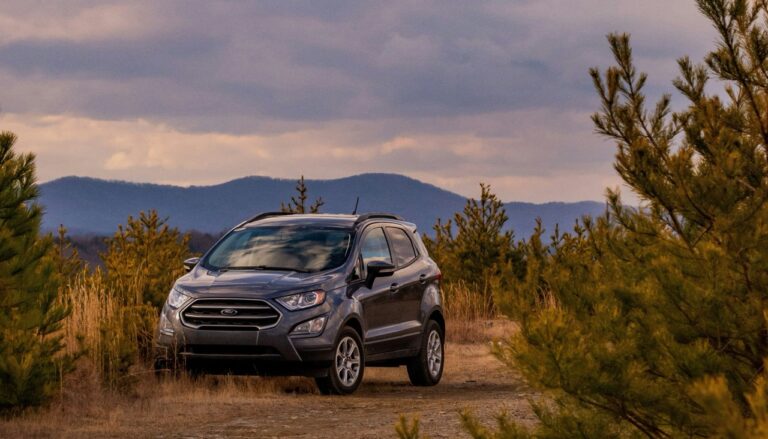
Ford EcoSport
When the EcoSport launched in South Africa in 2013, it helped kick off the country’s compact SUV boom.
It shared its platform with the Fiesta but came with a higher ride height and a more confident driving position. That combination made it an easy step up for hatchback owners wanting something more versatile.
The EcoSport bridged the gap between small cars and full-size SUVs. It offered practicality, good fuel economy, and an affordable price, which opened the SUV lifestyle to a much wider audience.
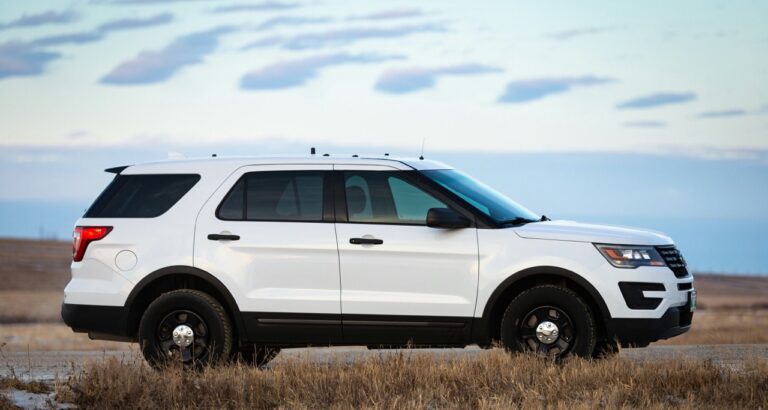
Ford Explorer
The Explorer is built primarily for the American market, but it’s still an important part of Ford’s global SUV story.
It’s designed for families who want space, comfort, and the ability to handle long road trips or rougher terrain without fuss.
Even though it isn’t widely available in South Africa, the Explorer helped shape Ford’s reputation for large, capable SUVs. It set the tone for what “family adventure” could look like in an SUV.
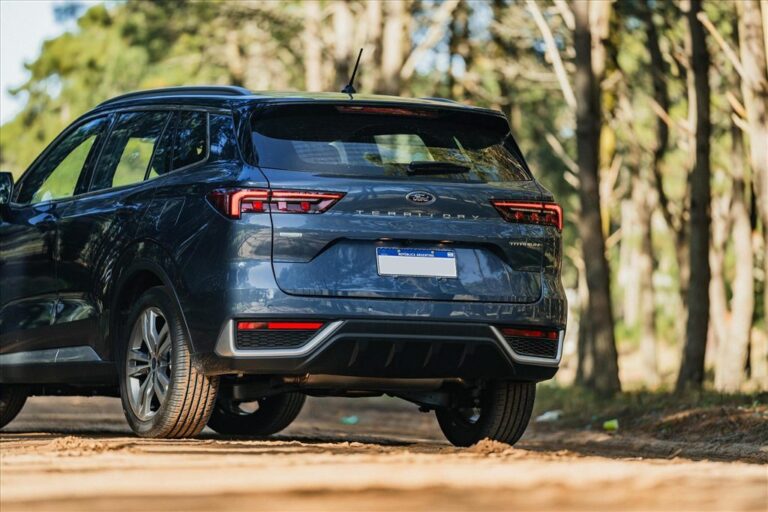
Ford Territory
The Ford Territory began as a large Australian family SUV. Today, it has evolved into a sleek, modern crossover designed for fast-growing global markets.
In South Africa, it has gained traction for its tech-rich cabin, smooth ride, and strong value in the mid-size segment.
The latest Territory brings a more refined feel to the lineup and shows Ford’s focus on comfort, efficiency, and everyday usability.
Charles leads Tarlen, a carsharing marketplace built to take the hassle out of renting cars. By connecting travelers with car owners and small rental agencies, Tarlen makes travel fun again.