More people than ever are choosing bakkies over small sedans or hatchbacks. What started as a practical vehicle for farmers and tradesmen has grown into something much bigger.
Bakkies were originally popular because of their durability and load-bearing ability. Today, they’re also a lifestyle choice.
Thanks to modern double-cab designs, bakkies now serve as work vehicles, adventure machines, and family transport all in one.
You’re just as likely to see a bakkie at a building site as you are at a campsite or school pickup. For many buyers, a bakkie rolls utility, lifestyle, and business use into a single vehicle.
When people talk about bakkies, the conversation usually centres around big names like the Toyota Hilux, Ford Ranger, or Nissan NP200. But no two buyers have the same needs. There is no one-size-fits-all option.
That’s why this guide looks beyond just the most talked-about models. The goal is to help you choose a bakkie that actually fits your lifestyle, work requirements, and budget.
Table of content
How will you use your Bakkie?
Buying a bakkie is rarely a casual decision. For most people, it’s a long-term commitment that they want to last them over 10 years.
That decision is usually shaped by family needs, work demands, reliability concerns, and budget limits. All of those factors matter, and ignoring any one of them can be costly.
Many buyers start with the question, “Which bakkie is the best?” The truth is, that depends entirely on who’s asking.
In the world of bakkies, there’s no perfect or terrible choice. There are only good fits and expensive mistakes.
The right bakkie needs to match how you live, how you work, and what you can realistically afford. Before you start comparing models, it helps to narrow things down by asking the right questions.
Here are the key criteria to consider when shortlisting the right bakkie for you:
Payload
Payload refers to how much weight your bakkie can safely carry, including what you load into the load bin and what you tow.
This is one of the most important factors to consider, because it directly affects what you can realistically use your bakkie for.
For example, the Nissan NP200 offers a payload of around 800 kg. That’s ideal for tradespeople like plumbers or electricians who need to carry tools and supplies throughout the day.
However, that same bakkie won’t cope well with heavy towing. If you need to tow a large trailer, caravan, or horsebox, you’ll need something bigger.
Double-cab models like the Ford Ranger or Toyota Hilux can tow loads of over 3,500 kg, depending on the variant.
When thinking about payload and towing, plan for your maximum weight requirement, not your average day.
It’s better to have extra capacity and not need it than to push a bakkie beyond what it was designed to handle.
Single or double cab
A single-cab bakkie is a great option for a tradesperson who doesn’t need rear seats or has another vehicle for family use. It’s usually cheaper to buy and offers a longer load bin.
If your bakkie also needs to double as a family vehicle, a double cab is the obvious choice.
On paper, most double cabs can seat five people. In reality, very few are comfortable for three growing kids or adults in the back. If you regularly carry passengers, rear-seat space becomes non-negotiable.
Take the Nissan NP300 double cab as an example. It’s known for its toughness and reliability, but the rear seats are quite cramped. That can become a problem for families over time.
Bakkies like the Isuzu D-Max, Nissan Navara, and Ford Ranger offer more generous rear seating and are better suited to family use.
Where will you be driving? (4x2 vs 4x4)
For most buyers, a 4×2 bakkie is more than sufficient. It handles everyday driving, highway use, and most gravel roads with ease.
It’s also cheaper to buy, cheaper to maintain, and lighter on fuel. In fact, a 4×2 will comfortably handle around 90% of typical driving conditions.
A 4×4 becomes necessary if you plan on doing serious off-roading, farm work, or if you frequently drive in wet, muddy, or sandy conditions.
Your off-roading experience also matters. A 4×4 can offer extra confidence if you often find yourself in challenging terrain.
High-end models like the VW Amarok and certain Toyota Hilux variants come equipped with advanced 4-wheel-drive systems designed to handle almost any surface.
What’s your budget?
Budgeting for a bakkie goes far beyond the sticker price or monthly repayment.
You also need to consider fuel consumption, maintenance costs, availability of parts, insurance, depreciation, and after-sales support. Ignoring these costs can turn a seemingly good deal into an expensive mistake.
When comparing bakkies, don’t just ask whether you can afford to buy one. Ask whether you can afford to own it over the long term.
For example, a 4×2 Ford Ranger 2.2 XLS offers some of the best fuel efficiency in its class, averaging between 7.0 and 9.0 L/100 km in mixed driving conditions.
The Toyota Hilux holds its value exceptionally well, which makes it attractive if resale value matters to you.
However, that popularity also comes with higher insurance premiums, which can significantly increase running costs.
Some Chinese brands, like Foton, may offer more features at a lower purchase price.
The trade-off is faster depreciation and a smaller dealership and support network. Whether that matters depends on how long you plan to keep the vehicle.
Local workshop support
One of the most repeated pieces of advice on bakkie forums is simple: “Pick a brand your local workshops are good at servicing”.
A bakkie can be excellent on paper, but poor local support quickly becomes frustrating. Easy access to skilled mechanics and affordable parts often matters more than a long feature list.
Comparing different popular models
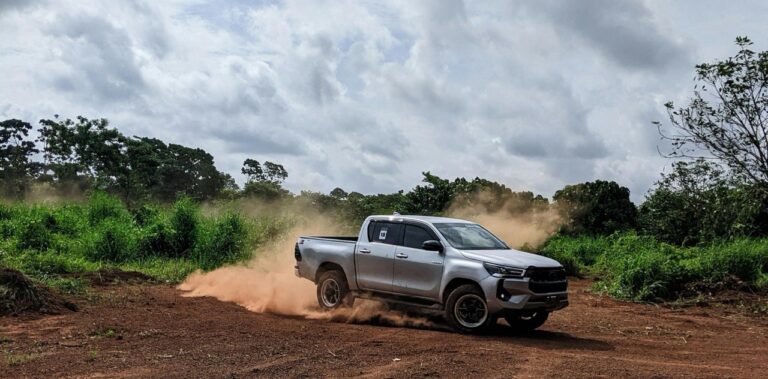
Toyota Hilux
Model: Hilux 2.8 GD-6 Double Cab
Power: 150 kW
Fuel efficiency: ±8.0 L/100 km
Payload: ±640–850 kg (depending on variant)
The Toyota Hilux has earned its reputation as one of the toughest and most reliable bakkies on the road.
It’s widely used across South Africa by farmers, tradespeople, law enforcement, and families alike.
One of its biggest strengths is Toyota’s extensive service network. Parts are easy to find, servicing is straightforward, and most mechanics know the Hilux inside out.
That reliability and popularity translate into strong resale value and low depreciation.
The downside is price. You’ll generally pay more for a Hilux than for many competing models, both upfront and when it comes to insurance.
Still, for buyers who value long-term reliability and resale, the premium often makes sense.
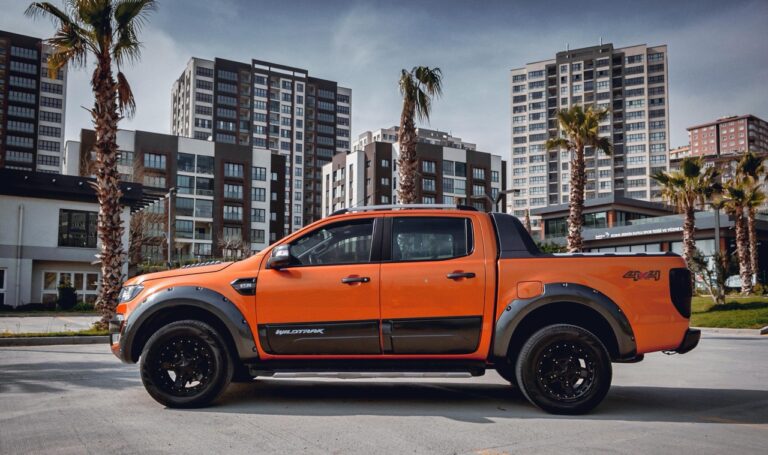
Ford Ranger
Model: Ranger Wildtrak 3.0 V6
Power: 184 kW
Fuel efficiency: 8.4 L/100 km
Payload: 760–995 kg (variant dependent)
The Ford Ranger has become one of the strongest challengers to the Hilux. Where the Hilux leans toward rugged simplicity, the Ranger places a strong emphasis on comfort, cabin and driving technology, but still maintains an impressive towing capacity
The latest-generation Ranger introduced a powerful V6 turbodiesel, making it especially capable when towing heavy loads. Paired with a 10-speed automatic gearbox, it delivers smooth power whether you’re cruising on the highway or hauling a trailer.
The Ranger interior sets a new standard for bakkie interiors. Large touchscreens, a digital instrument cluster, and a well-finished cabin make it feel closer to an SUV than a traditional workhorse.
Best for: Long-distance driving, towing, and buyers who value comfort and tech. Watch out for: Higher trims can be expensive, and payload varies by model.
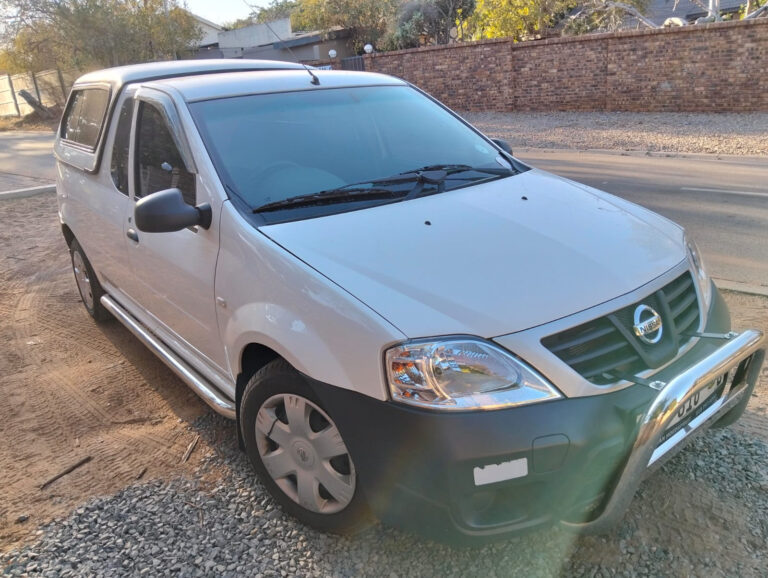
Nissan NP200 (1400 Nissan bakkie)
Model: Nissan NP200
Power: 66 kW
Fuel efficiency: 6.3 L/100 km
Payload: 800 kg
The Nissan NP200 replaced the much-loved Nissan 1400 bakkie, which earned the nickname “kanniedood” for its legendary durability.
While the NP200 is smaller and less powerful than modern double cabs, it remains one of the most practical and affordable bakkies on the market.
It’s cheap to buy, economical to run, and easy to maintain thanks to widely available local parts.
Its only limitations are that; it’s not built for heavy towing, serious off-roading, or long-distance comfort. But for small businesses and urban trades, it delivers excellent value.
Best for: City-based work, small businesses, and first-time bakkie buyers. Watch out for: Limited towing capacity and off-road ability.
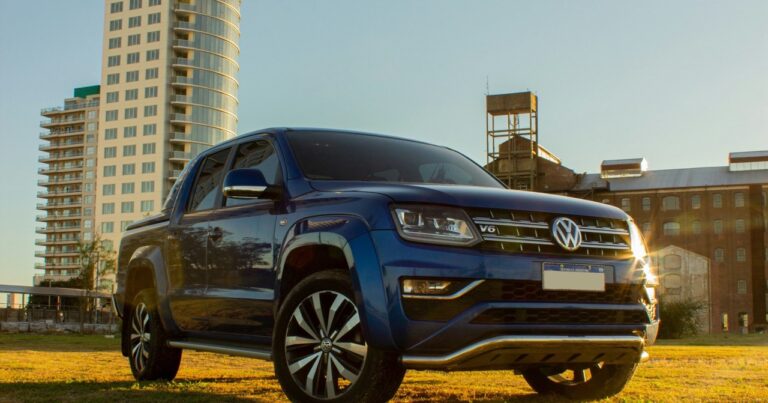
The VW Amarok is aimed at buyers looking for a more premium bakkie experience. It combines strong V6 performance with a refined interior and a smooth, confident driving feel.
Built on the same platform as the Ford Ranger, the Amarok blends Volkswagen’s design and build quality with modern driving technology. Its V6 engine delivers effortless power both with and without a load.
With its high towing capacity and comfortable cabin, the Amarok works well as a lifestyle bakkie. It’s particularly well suited for towing caravans, boats, or horseboxes over long distances.
Best for: Lifestyle buyers who want performance and refinement. Watch out for: Higher price point and slightly lower payload than some rivals.
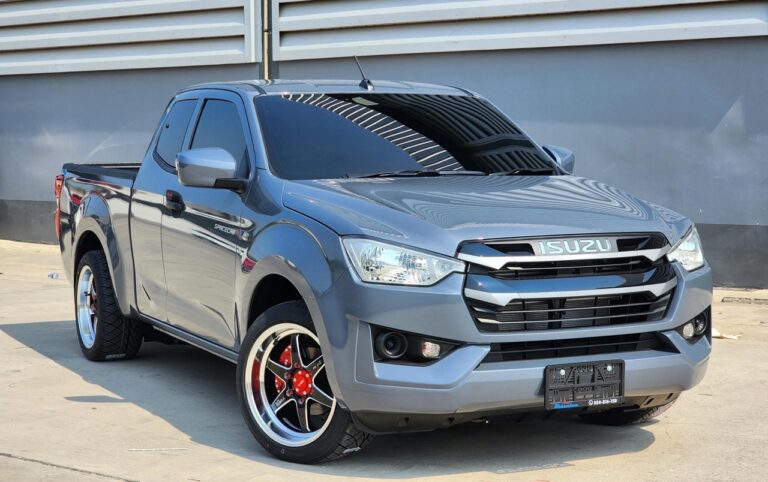
Isuzu D-Max
Model: Isuzu D-Max 3.0 Ddi Double Cab
Power: 140 kW
Fuel efficiency: 7.0 L/100 km
Payload: 1,000–1,200 kg
The Isuzu D-Max is often praised for its durability and robust build.
Japanese brands are known for reliability, and the D-Max is no exception, it’s a favourite among buyers who want a bakkie that simply lasts.
The diesel engines, especially the larger 3.0 Ddi, balance everyday practicality with enough power for loaded work duties.
Fuel figures vary by model and drive type, but the D-Max generally sits competitively for its class.
One common theme among reviews and owner reports is that while the D-Max may not feel as exciting to drive as some rivals, its simple but tough mechanical setup is a strong point for long-term ownership.
Best for: buyers who want proven durability and strong payload capacity. Watch out for: older interior layout and ride comfort that’s more functional than plush.
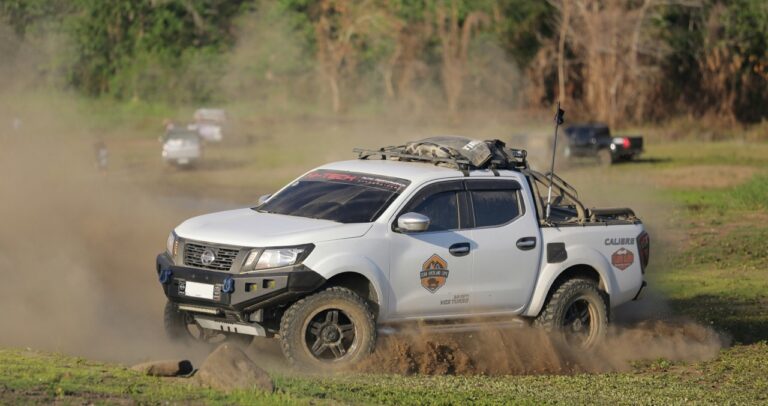
Nissan Navara
Model: Navara 2.5 DDTi Double Cab
Power: 40 kW
Fuel efficiency: 8.1 L/100 km
Payload: 1,086 kg
The Nissan Navara sits between work-oriented tough bakkies and comfort-focused choices.
Its 2.5 diesel produces good torque and power for everyday needs, and the payload capacity is very respectable
It shines in fuel consumption, staying in the mid-7 to low-8 L/100 km, which is impressive for a bakkie of this size.
One thing the Navara is known for is a more refined ride compared with older bakkies, which is as a result of it’s rear suspension setup. Making it a comfortable cruiser for both work and weekend use.
Best for: buyers who want a balance of comfort and utility. Watch out for: some variants have slightly lower payload than rugged competitors.
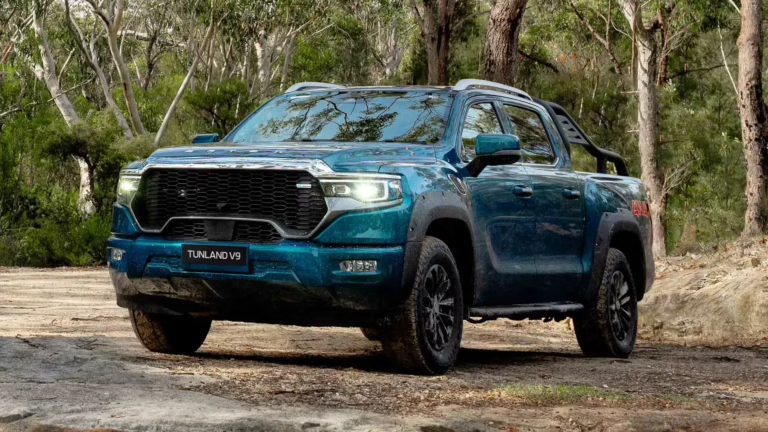
Foton Bakkie
Model: Tunland V7 (2.0 TD Double Cab)
Power: 120 kW
Fuel efficiency: 9.0 L/100 km
Payload: 1,000 kg
The Foton Tunland is one of the newer entrants in the South African bakkie market. This bakkies value proposition is simple, to offer a feature rich bakkie at a lower price point.
This is for car buyers that want modern touches like a mild-hybrid system on some variants, large infotainment screens, and good towing capability.
Power and torque figures are competitive for its class, and payload capacity generally sits around 1 000 kg, which makes it great for both work and lifestyle use.
Fuel consumption tends to be higher than some rivals, particularly in everyday mixed use, but the trade-off is extra features and value.
Best for: buyers who want a well-equipped bakkie with strong torque and towing ability.
Watch out for: fuel consumption and a smaller support network than more established brands.
Charles leads Tarlen, a carsharing marketplace built to take the hassle out of renting cars. By connecting travelers with car owners and small rental agencies, Tarlen makes travel fun again.