When we think about ecotourism, we usually imagine safaris, coastal walks, and green landscapes. But it’s much more than that.
In its simplest form, ecotourism is travel that aims to have a low impact on the environment while supporting conservation and local communities. It isn’t just a trend. It’s a long-term commitment from travelers, businesses, and governments to explore the world with purpose and care.
South Africa’s Tourism White Paper (2006) defines ecotourism as “environmentally and socially responsible travel to natural or near natural areas that promotes conservation, has low visitor impact and provides for beneficially active socio-economic involvement of local people.”
Internationally, The International Ecotourism Society (TIES) describes it as “responsible travel to natural areas that conserves the environment, sustains the well-being of the local people, and involves interpretation and education.”
South Africa’s ecotourism sector has grown quickly thanks to our rich biodiversity and cultural heritage.
This mix of ecosystems and complex history has encouraged the rise of many ecotourism initiatives.
These projects simultaneously create opportunities for conservation, education, and community involvement.
Protected areas, including national parks and provincial reserves, are designed to offer low-impact visitor experiences. The money raised from entrance fees and activities is reinvested in conservation work and helps create jobs in nearby communities.
In recent years, conservation-focused tourism has become a major contributor to the national tourism economy.
Top Ecotourism Destinations in South Africa
These places don’t just promote sustainable travel, they live it.
1. Safari and Wildlife Conservation
Kruger National Park remains one of the most important ecotourism hubs in the country. It plays a major role in wildlife conservation and long-term species protection.
Addo Elephant National Park in Gqeberha was created in 1931 to protect the last 11 remaining elephants after decades of hunting. By 2024, the population had recovered to about 600. The park also houses Africa’s “Big 7” (elephant, rhinoceros, lion, buffalo, leopard, whale and great white shark) in their natural habitat.
Several private reserves, such as Beyond Phinda, Tswalu Kalahari, and Sanbona Game Reserve, use a high-value, low-volume approach to tourism.
Their work funds conservation efforts like pangolin protection, rhino and elephant monitoring, and cheetah metapopulation management. You can also choose community-partnered lodges near major parks, where your safari supports the villages directly.
The Drakensberg Park offers river valleys, gorges, for hiking and guided tours. Along with its diverse flora and fauna, it holds more than 500 caves containing ancient rock art. These sites give visitors a direct connection to South Africa’s early history.
Money generated through ecotourism activities also supports cross-border research projects aimed at protecting threatened plant and animal species.
2. Marine and Coastal Ecotourism
The iSimangaliso Wetland Park, a UNESCO World Heritage Site, is one of the most diverse coastal systems in the world.
It is home to more than 500 species, several sea turtle species, and a long list of land and marine animals.
Visitors can join turtle monitoring experiences or explore kayak trails through mangroves. Revenue from these activities supports ongoing conservation work.
Along the Garden Route, operators such as Ocean Blue Adventures in Plettenberg Bay follow strict whale-watching guidelines.
AfriOceans offers educational shark experiences that help challenge common misconceptions about marine life.
Many coastal programs also integrate indigenous knowledge and marine education.
This helps visitors understand the ecosystems they explore and encourages them to support protection efforts long after their trip.
3. Floral conservation and hiking trails
South Africa’s floral diversity is one of its greatest ecological treasures. Hiking trails across the country give travelers a chance to explore these plant-rich landscapes while contributing to their protection.
Routes such as the Otter Trail or guided hikes on Table Mountain, offered by groups like Siyabona Africa and Footprints in Africa, support local conservation.
Trail fees help maintain the paths and protect surrounding ecosystems.
Guides also explain the unique fynbos vegetation, including its fire-adapted nature and specialized pollination patterns.
The Kirstenbosch National Botanical Garden provides another example of floral conservation in action. The garden focuses on indigenous plants and plays a key role in preserving South Africa’s botanical heritage.
4. Urban Ecotourism and cultural immersion
Ecotourism in South Africa isn’t limited to remote parks. Many urban spaces support conservation and community-focused experiences.
At the V&A Waterfront in Cape Town, the Two Oceans Aquarium runs several conservation programs.
This includes the Turtle Conservation Centre, which rescues, rehabilitates, and releases sea turtles, and the Marine Wildlife Management Programme, which helps protect marine animals in the busy harbour area.
Staff often assist animals caught in fishing gear and monitor wildlife movement around the waterfront.
In townships such as Langa, community-run tours offer visitors an opportunity to learn directly from local residents. Groups like Siviwe Township Tours guide travelers through the neighbourhood and share the history, culture, and stories that shape daily life.
Visitor fees help support pre-schools, community gardens, and local development projects. This creates a more equal and meaningful exchange between hosts and guests.
5. Anti-poaching campaigns
Anti-poaching work forms a major part of ecotourism-driven conservation in South Africa.
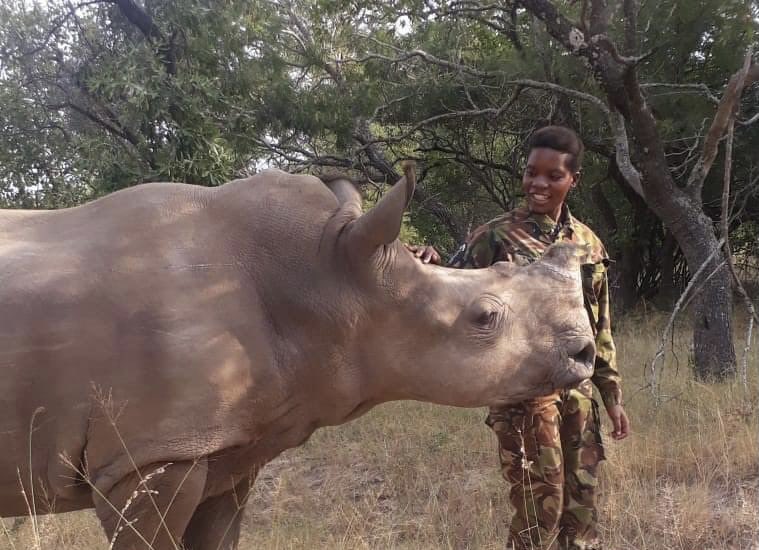
The Black Mamba Anti-Poaching Unit is one of the best-known initiatives. Their team combines patrols, environmental education, and community engagement to reduce rhino poaching in protected reserves.
Their success shows how ecotourism, community involvement, and conservation efforts can reinforce one another.
How to travel sustainably as a tourist
Here are a few things to keep in mind when planning an eco-focused trip in South Africa.
Choose the Right Eco Tour or Lodge
Look for credible certifications. The Fair Trade Tourism (FTT) label is one of the strongest indicators of responsible practices. It checks for fair wages, community benefits, and environmental standards.
You can also look for Travelife certification or membership with The Long Run, which supports holistic sustainability.
Before booking, check whether the lodge publishes a conservation or social-impact report. This helps you see exactly where your money will go.
Minimise your environmental footprint
Carry reusable bottles and bags. Choose accommodations that use solar power and have clear water-saving measures. Stay on marked trails when hiking to avoid damaging sensitive vegetation.
Transport often creates the largest carbon footprint during a trip, so choose efficient group transport, hybrid or electric vehicle rentals, or carsharing. These options reduce emissions and lighten your impact on local environments.
Engage with and support local communities
Buy crafts directly from artisans at markets or cooperatives. Eat at local restaurants. Choose tours led by guides from the surrounding community.
Ask questions respectfully and listen more than you speak. Your presence is a form of exchange, so make sure that exchange is fair and supportive.
Sustainable transport in ecotourism
A well-planned ecotourism trip considers how you move between destinations. Transport choices can influence your footprint just as much as lodging or activities.
For travelers that need the flexibility of a car, especially when visiting remote parks or coastal areas, modern carsharing platforms can help you reduce emissions while supporting local owners.
Renting cars from carsharing platforms like Tarlen helps lower the environmental impact of your journey and keeps revenue within the community.
For eco-conscious travelers exploring Johannesburg, Cape Town, or Durban, shared vehicles offer a practical way to reduce per-person emissions during necessary city travel.
Charles leads Tarlen, a carsharing marketplace built to take the hassle out of renting cars. By connecting travelers with car owners and small rental agencies, Tarlen makes travel fun again.